

Hey there! As a supplier of choke manifold control panels, I often get asked about the test procedures for these crucial pieces of equipment. In this blog post, I'll walk you through the step-by-step process we follow to ensure that our control panels meet the highest standards of quality and performance.
First off, let's understand what a choke manifold control panel does. It's a key component in the oil and gas industry, used to control the flow of fluids and gases during drilling operations. It helps manage pressure, prevent blowouts, and ensure the safety and efficiency of the entire drilling process.

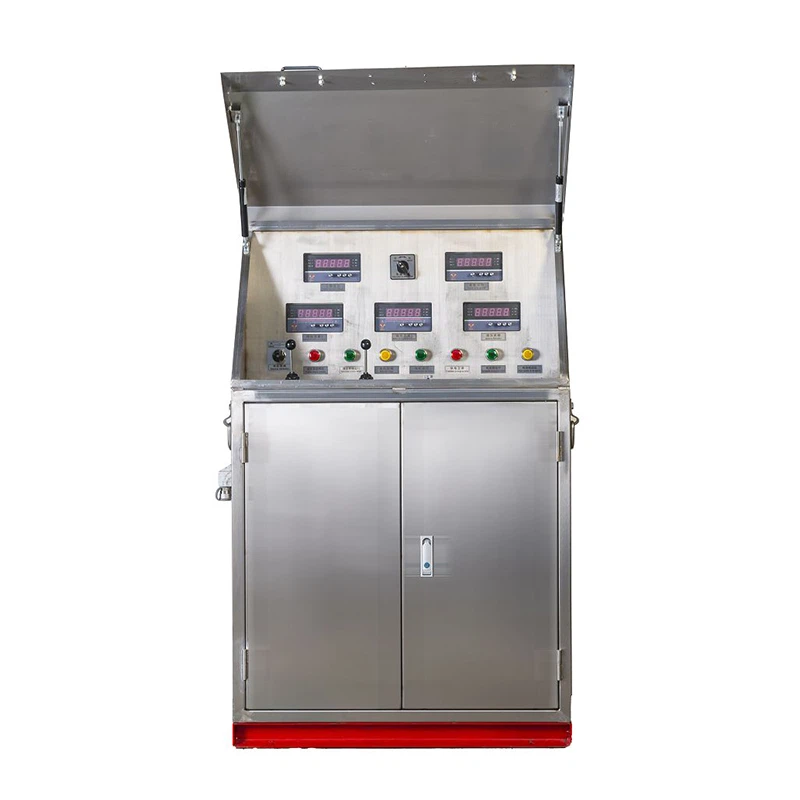
Pre - Test Inspection
Before we start any actual testing, we conduct a thorough pre - test inspection. This involves a visual check of the control panel's physical condition. We look for any signs of damage, like cracks, dents, or loose connections. We also make sure that all the components are properly installed and that the panel is clean and free of debris. This step is crucial because any pre - existing damage can affect the test results and, more importantly, the performance of the panel in the field.
Electrical System Testing
If you're interested in an Electric Choke Manifold Control Panel, the electrical system testing is a major part of the process. We start by checking the power supply. We verify that the panel is receiving the correct voltage and that there are no fluctuations. This is done using a voltmeter, which is a simple yet effective tool.
Next, we test all the electrical components, such as relays, switches, and sensors. We use specialized testing equipment to check their functionality. For example, we'll send a small electrical signal through a relay and see if it activates correctly. Any malfunctioning components are immediately replaced to ensure the reliability of the panel.
We also test the wiring to make sure there are no short circuits or open circuits. This is done by using a continuity tester. A short circuit can cause a fire hazard, while an open circuit can lead to the failure of certain functions in the control panel.
Hydraulic System Testing
For Hydraulic Choke Manifold Control Panel, the hydraulic system testing is of utmost importance. We start by checking the hydraulic fluid level. The fluid is the lifeblood of the hydraulic system, and an improper level can lead to poor performance or even system failure.
We then check the hydraulic pumps. We run the pumps and measure the pressure they generate. This is done using a pressure gauge. If the pressure is too low or too high, it can indicate a problem with the pump, such as a worn - out seal or a clogged filter.
The valves in the hydraulic system are also carefully tested. We open and close each valve and check for any leaks. Leaks can not only waste hydraulic fluid but also reduce the efficiency of the system. We use a leak detector, which can quickly identify even the smallest leaks.
Functionality Testing
After testing the electrical and hydraulic systems separately, we move on to the functionality testing of the entire choke manifold control panel. This is where we simulate real - world scenarios to see how the panel performs.
We connect the control panel to a test rig that mimics the conditions of an actual drilling operation. We then start the flow of fluid or gas through the test rig and use the control panel to adjust the flow rate and pressure. We check if the panel can accurately control these parameters. For example, if we set a specific flow rate, we monitor to see if the panel can maintain that rate without any significant fluctuations.
We also test the safety features of the control panel. For instance, we simulate an over - pressure situation and check if the panel can automatically shut down the flow to prevent a blowout. This is a critical test, as the safety of the entire drilling operation depends on the proper functioning of these safety features.
Software Testing
Most modern choke manifold control panels are equipped with software that controls various functions. We conduct comprehensive software testing to ensure that the software is bug - free and works as intended.
We start by checking the user interface. We make sure that all the buttons and displays are easy to use and that the information shown on the display is accurate. We also test the software's ability to communicate with other components in the system, such as sensors and actuators.
We perform stress testing on the software by simulating high - load scenarios. This helps us identify any performance issues or potential crashes. If any bugs are found, our software development team works to fix them before the panel is shipped.
Environmental Testing
The choke manifold control panels are often used in harsh environments, so we subject them to environmental testing. We test the panel's resistance to temperature, humidity, and vibration.
For temperature testing, we place the panel in a temperature - controlled chamber and expose it to extreme temperatures, both high and low. We then check if the panel can still function properly under these conditions. Humidity testing is done in a similar way, where we create a high - humidity environment and monitor the panel's performance.
Vibration testing is also important, especially since the panels are often installed on drilling rigs, which can experience a lot of vibration. We use a vibration table to simulate the vibrations and check if any components come loose or if the panel's performance is affected.
Final Inspection and Documentation
Once all the testing is completed, we conduct a final inspection. We go through all the test results one more time to make sure that everything is in order. We also clean the panel and make any final adjustments if needed.
We then create detailed documentation of all the test results. This documentation includes information about the test procedures, the results of each test, and any components that were replaced during the testing process. This documentation is provided to the customer along with the control panel, so they have a clear understanding of the panel's performance and history.
Why Choose Our Choke Manifold Control Panels
Our rigorous test procedures ensure that every Drilling Choke Manifold Control Panel we supply is of the highest quality. We use state - of - the - art testing equipment and have a team of experienced technicians who are well - versed in the latest industry standards.
If you're in the market for a choke manifold control panel, we'd love to talk to you. Whether you need an electric, hydraulic, or drilling - specific control panel, we've got you covered. Our panels are designed to be reliable, efficient, and safe, and our testing procedures guarantee their performance. So, if you're looking for a partner you can trust for your choke manifold control panel needs, don't hesitate to reach out for a chat about your requirements.
References
- Oil and Gas Drilling Equipment Handbook
- Standards for Control Panel Testing in the Oil and Gas Industry