

As a supplier of Hydraulic Choke Control Panels, I understand the critical importance of ensuring the proper functioning of these essential components in the oil and gas industry. One of the most common issues that can affect the performance of a Hydraulic Choke Control Panel is hydraulic fluid leakage. In this blog post, I will discuss the signs of hydraulic fluid leakage in a Hydraulic Choke Control Panel and why it is crucial to address these issues promptly.
Visual Inspection
The first and most obvious sign of hydraulic fluid leakage is a visible pool of fluid around the Hydraulic Choke Control Panel. Hydraulic fluid is typically a clear or amber-colored liquid, and it may have a distinct odor. If you notice any signs of fluid leakage, it is important to take immediate action to prevent further damage.
Another visual sign of leakage is the presence of oil stains or drips on the panel or surrounding equipment. These stains may be small at first, but they can quickly spread and become more noticeable over time. Regular visual inspections of the Hydraulic Choke Control Panel can help you detect these signs early and address the issue before it becomes a major problem.
Reduced Hydraulic Pressure
Hydraulic fluid is responsible for creating the pressure needed to operate the chokes in the control panel. If there is a leak in the hydraulic system, the pressure may drop, causing the chokes to operate less efficiently or not at all. You may notice a decrease in the responsiveness of the chokes or a slower operation time. This can have a significant impact on the overall performance of the well and may lead to production losses.
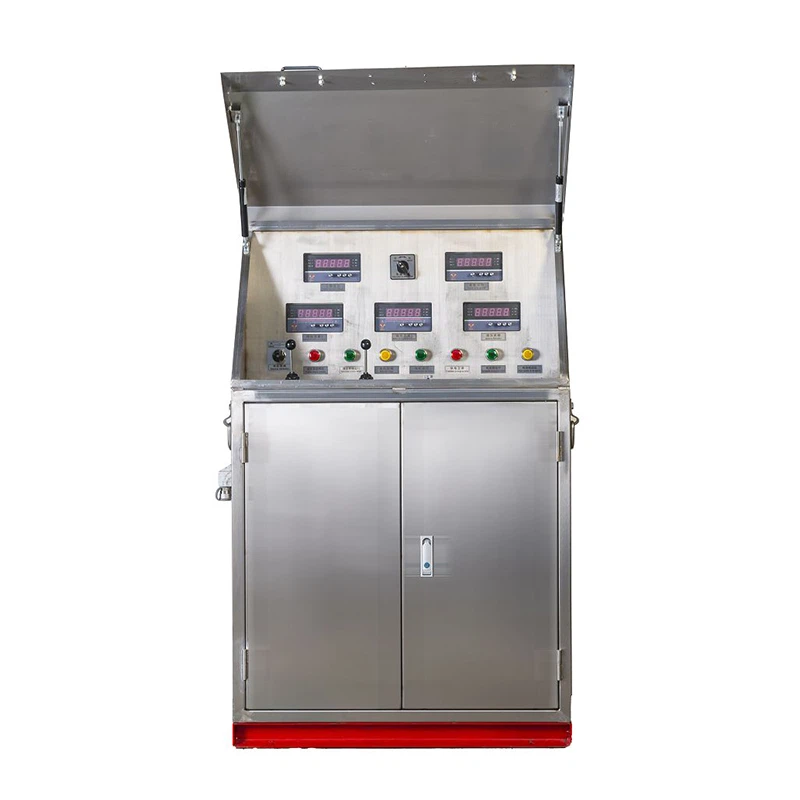
To check for reduced hydraulic pressure, you can use a pressure gauge installed on the Hydraulic Choke Control Panel. Compare the current pressure reading with the recommended operating pressure specified by the manufacturer. If the pressure is lower than normal, it could be a sign of a leak in the system.
Unusual Noises
Leaking hydraulic fluid can cause air to enter the system, which can result in unusual noises coming from the Hydraulic Choke Control Panel. These noises may include hissing, whistling, or knocking sounds. The presence of air in the hydraulic system can also cause the chokes to operate erratically, leading to further performance issues.
If you hear any unusual noises coming from the control panel, it is important to investigate the source of the problem immediately. Ignoring these noises can lead to more serious damage to the system and may require costly repairs.
Increased Fluid Consumption
A sudden increase in the consumption of hydraulic fluid is another sign of a potential leak. If you find yourself having to refill the hydraulic fluid reservoir more frequently than usual, it could indicate that there is a leak in the system. Keep track of the amount of fluid you are using and compare it to your normal consumption rate. Any significant increase should be investigated further.
Overheating
Leaking hydraulic fluid can also cause the system to overheat. When the fluid level is low, the hydraulic pump has to work harder to maintain the necessary pressure, which can generate more heat. Overheating can damage the hydraulic components and reduce the lifespan of the system.
You can check for overheating by feeling the temperature of the Hydraulic Choke Control Panel or by using a temperature sensor. If the panel feels excessively hot to the touch or the temperature reading is higher than normal, it could be a sign of a leak and overheating issue.

Importance of Addressing Leaks Promptly
Hydraulic fluid leakage in a Hydraulic Choke Control Panel is not only a performance issue but also a safety concern. Hydraulic fluid is flammable, and a leak can pose a fire hazard. In addition, the loss of hydraulic pressure can affect the control of the well, which can lead to dangerous situations such as uncontrolled wellbore pressure.
Addressing leaks promptly can help prevent these safety risks and minimize the impact on production. Regular maintenance and inspections of the Hydraulic Choke Control Panel can help detect leaks early and ensure that the system is operating at its best.
Preventive Maintenance
To prevent hydraulic fluid leakage, it is important to follow a regular maintenance schedule for your Hydraulic Choke Control Panel. This includes checking the hydraulic hoses and connections for signs of wear and tear, tightening any loose fittings, and replacing any damaged components.
Using high-quality hydraulic fluid and filters can also help prevent leaks and ensure the proper functioning of the system. Make sure to follow the manufacturer's recommendations for fluid type and change intervals.
Conclusion
As a supplier of Hydraulic Choke Manifold Control Panel, I highly recommend being vigilant for the signs of hydraulic fluid leakage in your control panel. By detecting and addressing leaks early, you can avoid costly repairs, prevent production losses, and ensure the safety of your operations.
If you suspect that your Hydraulic Choke Control Panel has a leak or if you have any other concerns about its performance, please do not hesitate to contact us. Our team of experts is available to provide you with the support and solutions you need to keep your well operating smoothly. Whether you need a Choke Control Panel or an Electric Choke Manifold Control Panel, we have the products and expertise to meet your requirements.
Let's work together to ensure the reliability and efficiency of your oil and gas operations. Contact us today to discuss your needs and explore how we can help you optimize your well performance.
References
- Manufacturer's manual for Hydraulic Choke Control Panel
- Industry standards and best practices for hydraulic system maintenance
- Technical literature on hydraulic fluid properties and applications