

Hey there! As a supplier of Hydraulic Choke Control Cabinets, I've had my fair share of discussions with customers about what to look for when making a selection. So, I thought I'd share some insights on the selection criteria for a Hydraulic Choke Control Cabinet.
1. Performance and Functionality
First off, performance is key. You want a cabinet that can handle the specific requirements of your operation. One of the primary factors to consider is the flow rate. The cabinet should be able to regulate the flow of fluids accurately within the desired range. This is crucial for maintaining the stability of your system, whether it's in an oil and gas well or some other industrial application.
Another important aspect is the pressure control. A good Hydraulic Choke Control Cabinet should be able to manage high - pressure situations effectively. It should have the capacity to adjust the choke valve to maintain the right pressure levels, preventing any potential damage to the equipment due to over - or under - pressure.
The response time of the cabinet is also significant. In dynamic environments, the cabinet needs to react quickly to changes in flow or pressure. A slow - responding cabinet can lead to inefficiencies and even safety risks. For example, in an oil well, a sudden increase in pressure needs to be addressed immediately, and a cabinet with a fast response time can do just that.
2. Durability and Reliability
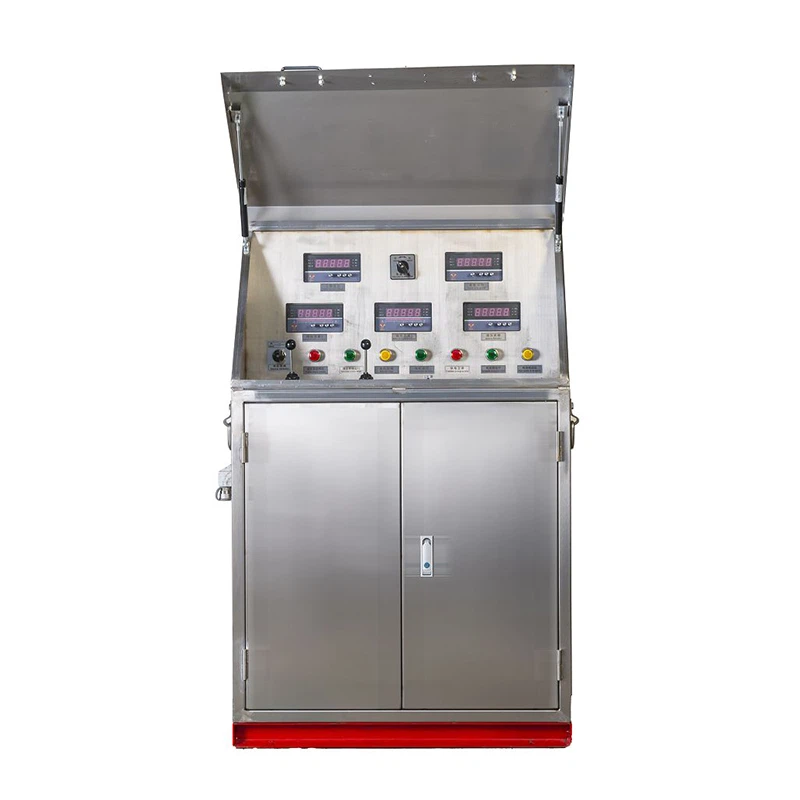
When you're investing in a Hydraulic Choke Control Cabinet, you want it to last. Durability is all about the materials used in its construction. Look for cabinets made from high - quality metals that can withstand harsh environmental conditions. For instance, in offshore oil rigs, the cabinet will be exposed to saltwater, high humidity, and extreme temperatures. A cabinet made from corrosion - resistant materials like stainless steel will have a much longer lifespan.
Reliability goes hand in hand with durability. You can't afford for the cabinet to break down frequently. Check the reputation of the manufacturer. Look for reviews and testimonials from other customers. A reliable cabinet should come with a solid warranty. This shows that the manufacturer has confidence in their product and is willing to stand behind it.
3. Safety Features
Safety is non - negotiable. A Hydraulic Choke Control Cabinet should have multiple safety features to protect both the equipment and the operators. One of the essential safety features is over - pressure protection. This mechanism ensures that if the pressure inside the system exceeds a certain limit, the cabinet will take appropriate action, such as closing the choke valve, to prevent any damage.
Emergency shutdown capabilities are also crucial. In case of an emergency, operators should be able to quickly shut down the system using the cabinet. This can prevent accidents and minimize damage to the equipment.
Additionally, the cabinet should have proper grounding and electrical insulation to prevent electrical hazards. Faulty electrical connections can lead to short - circuits and fires, so these safety measures are a must.
4. Ease of Use and Maintenance
Let's face it, if a cabinet is too complicated to use, it's going to cause problems. The controls should be intuitive and easy to understand. Operators should be able to quickly learn how to operate the cabinet without extensive training. A well - designed control panel with clear labels and indicators can make a big difference.
Maintenance is another important factor. The cabinet should be designed in a way that makes it easy to access internal components for inspection and repair. Removable panels and easy - to - reach connectors can save a lot of time and effort during maintenance. Regular maintenance is essential to keep the cabinet in good working condition, so make sure it's not a hassle to perform.
5. Compatibility
The Hydraulic Choke Control Cabinet needs to be compatible with your existing system. This includes compatibility with the choke valves, hydraulic pumps, and other components in your setup. Before making a purchase, check the technical specifications of the cabinet and compare them with your system requirements.
It's also important to consider future expansions or upgrades. A cabinet that can easily integrate with new components or systems will save you money and time in the long run. For example, if you plan to add more sensors or valves to your system in the future, the cabinet should be able to accommodate these changes.
6. Cost - Effectiveness
Cost is always a consideration. However, it's important not to just go for the cheapest option. Instead, look for a balance between cost and quality. A high - quality cabinet may cost more upfront, but it can save you money in the long run through reduced maintenance costs and increased efficiency.

Compare the prices of different cabinets from various suppliers. But also take into account the features, performance, and durability. A more expensive cabinet with better features may be a better investment in the long term.
7. Technical Support
Even the best - designed cabinets may encounter issues from time to time. That's why having good technical support is crucial. The supplier should offer prompt and reliable technical assistance. This can include phone support, on - site maintenance, and software updates.
Check if the supplier has a team of experienced technicians who can quickly diagnose and fix problems. A supplier with a good track record of providing technical support can give you peace of mind knowing that you're not on your own if something goes wrong.
Where to Find Related Products
If you're interested in other types of control panels, you can check out our Electric Choke Manifold Control Panel, Choke Control Panel, and Hydraulic Choke Manifold Control Panel.
In conclusion, selecting the right Hydraulic Choke Control Cabinet is a crucial decision that can have a significant impact on your operation. By considering the factors mentioned above - performance, durability, safety, ease of use, compatibility, cost - effectiveness, and technical support - you can make an informed choice. If you have any questions or are interested in purchasing a Hydraulic Choke Control Cabinet, don't hesitate to reach out. We're here to help you find the perfect solution for your needs.
References
- Industry standards and guidelines for hydraulic control systems.
- Case studies and whitepapers on the use of hydraulic choke control cabinets in different industries.