

Hey there! As a supplier of Hydraulic Choke Control Panels, I often get asked about the calibration requirements. So, I thought I'd share some insights on this topic to help you understand what's involved.
Why Calibration Matters
First off, let's talk about why calibration is so important. A Hydraulic Choke Control Panel is a crucial component in oil and gas operations. It helps control the flow of fluids and gases by adjusting the choke valves. If the panel isn't calibrated correctly, it can lead to inaccurate flow control, which can cause all sorts of problems. For example, it might result in over - or under - production, equipment damage, or even safety hazards. So, proper calibration is essential for ensuring the efficient and safe operation of the entire system.
General Calibration Requirements
Pressure Calibration
One of the key aspects of calibrating a Hydraulic Choke Control Panel is pressure calibration. The panel uses hydraulic pressure to operate the choke valves, and accurate pressure readings are vital. The pressure sensors in the panel need to be calibrated regularly to ensure they are providing precise measurements.
Typically, pressure calibration involves comparing the readings of the sensors in the panel with a known standard pressure source. This standard source should have a high level of accuracy, usually traceable to a national or international standard. The calibration process might involve adjusting the sensor settings to match the standard readings within an acceptable tolerance. For most applications, a tolerance of ± 0.5% to ± 1% is considered acceptable, but this can vary depending on the specific requirements of the operation.
Flow Calibration
Flow calibration is another important part of the process. The control panel needs to accurately measure and control the flow rate of the fluids or gases passing through the choke valves. Flow meters in the panel are used to measure the flow, and these meters must be calibrated to ensure accurate readings.
Flow calibration can be a bit more complex than pressure calibration. It often involves using a reference flow meter with a known accuracy. The reference meter is installed in the same flow path as the meter in the control panel, and the readings are compared. Adjustments are then made to the control panel's flow meter to match the reference readings. The calibration frequency for flow meters depends on factors such as the type of fluid or gas being measured, the operating conditions, and the manufacturer's recommendations. In general, flow meters should be calibrated at least once a year, but more frequent calibration might be required in harsh operating environments or high - precision applications.
Valve Position Calibration
The position of the choke valves is directly controlled by the hydraulic system in the control panel. Valve position calibration ensures that the valves are opening and closing to the correct positions as commanded by the control panel.
To calibrate the valve position, the actual position of the valve is measured using a position sensor. This measurement is then compared with the desired position set by the control panel. If there is a discrepancy, the control system can be adjusted to correct the valve position. Valve position calibration is crucial for maintaining the correct flow rate and pressure control. It also helps prevent valve damage and ensures the long - term reliability of the system.
Specific Industry Standards and Regulations
In the oil and gas industry, there are several standards and regulations that govern the calibration of Hydraulic Choke Control Panels. For example, the American Petroleum Institute (API) has published standards related to the design, installation, and calibration of equipment used in oil and gas production. These standards provide guidelines on the calibration procedures, frequency, and acceptable tolerances.
Compliance with these standards is not only important for ensuring the safety and efficiency of the operations but also for meeting regulatory requirements. Many countries have their own regulatory bodies that enforce these standards, and non - compliance can result in fines, shutdowns, or other penalties.
Our Role as a Supplier
As a supplier of Hydraulic Choke Manifold Control Panel, we understand the importance of calibration. We provide our customers with detailed calibration instructions and support to ensure that their control panels are calibrated correctly.
Our control panels are designed with high - quality sensors and components that are easy to calibrate. We also offer calibration services for those who prefer to have us handle the process. Our team of experts has extensive experience in calibrating Hydraulic Choke Control Panels and can ensure that your panel meets all the necessary standards and requirements.
Comparison with Other Types of Control Panels
It's worth mentioning that there are other types of choke control panels available, such as Choke Control Panel and Electric Choke Manifold Control Panel. While the basic principles of calibration are similar, there are some differences.
Electric control panels rely on electrical signals to operate the choke valves, so the calibration process might involve checking and adjusting the electrical circuits, relays, and controllers. Hydraulic control panels, on the other hand, focus more on pressure, flow, and valve position calibration as described above. Each type of panel has its own advantages and disadvantages, and the choice depends on factors such as the application, operating environment, and budget.
Conclusion
In conclusion, the calibration requirements for a Hydraulic Choke Control Panel are quite comprehensive. Pressure, flow, and valve position calibration are all essential for ensuring accurate and reliable operation. Compliance with industry standards and regulations is also crucial.

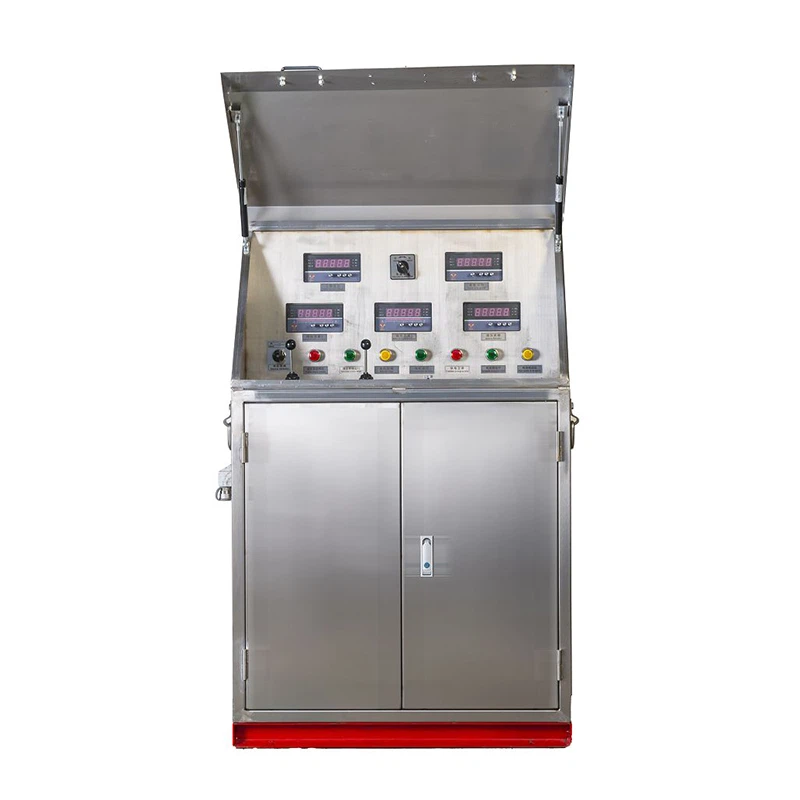
If you're in the market for a Hydraulic Choke Control Panel or need calibration services for your existing panel, we're here to help. Our team can provide you with all the information you need and assist you in making the right decisions for your operation. Don't hesitate to reach out to us for more details and to start a discussion about your specific requirements. We're always happy to talk about how we can meet your needs and ensure the success of your oil and gas operations.
References
- American Petroleum Institute (API) standards related to oil and gas equipment calibration.
- Manufacturer's manuals for Hydraulic Choke Control Panels.