

Hey there! As a supplier of Hydraulic Choke Control Panels, I've heard a lot of concerns from customers about the noise these panels make. It's not just an annoyance; excessive noise can also be a sign of underlying issues that might affect the panel's performance and lifespan. So, in this blog, I'm gonna share some tips on how to reduce the noise of a Hydraulic Choke Control Panel.
Understanding the Sources of Noise
Before we start talking about solutions, it's important to understand where the noise is coming from. In a Hydraulic Choke Control Panel, there are several potential sources of noise:
- Pumps: Hydraulic pumps are one of the main culprits. When they operate, they create vibrations and pressure fluctuations that can generate a significant amount of noise.
- Valves: The opening and closing of valves can also produce noise, especially if they are not properly adjusted or if there is wear and tear.
- Fluid Flow: Turbulence in the hydraulic fluid can cause noise as it moves through the pipes and components of the panel.
- Mechanical Components: Loose or worn-out mechanical parts, such as bearings or couplings, can also contribute to the noise.
Tips to Reduce Noise
1. Choose the Right Pumps
The type and quality of the pumps you use in your Hydraulic Choke Control Panel can have a big impact on the noise level. Look for pumps that are designed to operate quietly. Some pumps come with features like noise-dampening enclosures or advanced hydraulic designs that reduce vibrations and pressure fluctuations.
For example, variable displacement pumps can adjust their output based on the system's demand, which can help reduce unnecessary noise. They are more efficient and tend to be quieter than fixed displacement pumps.
2. Proper Installation and Mounting
How you install and mount the Hydraulic Choke Control Panel can also affect the noise level. Make sure the panel is installed on a stable and vibration-resistant surface. Use rubber mounts or isolators to reduce the transmission of vibrations from the panel to the surrounding structure.

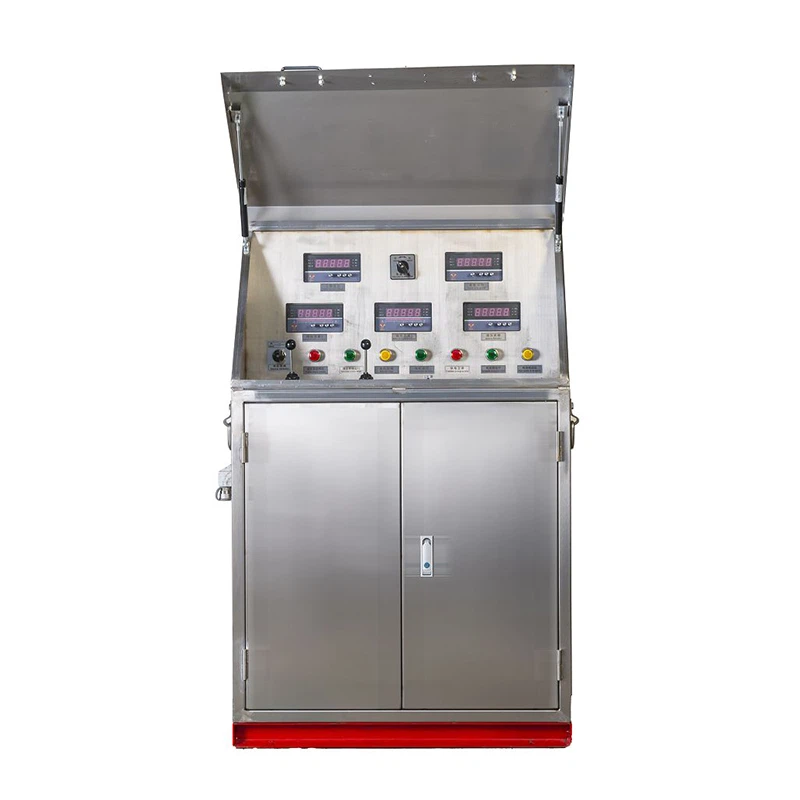
When installing the pumps and other components, follow the manufacturer's instructions carefully. Improper installation can lead to misalignment, which can increase noise and cause premature wear and tear.
3. Maintain the Valves
Regular maintenance of the valves is crucial to keep the noise level down. Check the valves for proper adjustment and wear. Replace any worn-out seals or seats to prevent leaks and reduce noise.
You can also consider using low-noise valves. Some valves are designed with special features, such as internal damping mechanisms, to reduce the noise generated during operation.
4. Optimize Fluid Flow
Turbulence in the hydraulic fluid can cause noise. To reduce turbulence, make sure the pipes and hoses in the Hydraulic Choke Control Panel are properly sized and routed. Avoid sharp bends or restrictions in the fluid path, as these can create turbulence.
Using high-quality hydraulic fluid can also help. The fluid should have the right viscosity and lubricating properties to ensure smooth flow and reduce noise.
5. Check and Tighten Mechanical Components
Loose or worn-out mechanical components can contribute to the noise. Regularly check the bearings, couplings, and other mechanical parts for wear and tightness. Replace any worn-out parts as soon as possible.
Tightening loose bolts and nuts can also help reduce noise. Make sure all the components are securely fastened to prevent vibrations and rattling.
Additional Considerations
1. Soundproofing
If the noise level is still a problem after taking the above steps, you can consider adding soundproofing materials to the Hydraulic Choke Control Panel. Soundproofing enclosures or panels can help reduce the noise that escapes from the panel.
There are different types of soundproofing materials available, such as acoustic foam, fiberglass insulation, or mass-loaded vinyl. Choose the material that is suitable for your application and budget.
2. Regular Maintenance
Regular maintenance is key to keeping the Hydraulic Choke Control Panel operating quietly and efficiently. Schedule routine inspections and maintenance tasks, such as oil changes, filter replacements, and component checks.
By catching and addressing potential issues early, you can prevent them from developing into major problems that can increase noise and reduce the panel's performance.
Conclusion
Reducing the noise of a Hydraulic Choke Control Panel is not only about making the working environment more comfortable but also about ensuring the panel's long-term performance and reliability. By following the tips mentioned above, you can significantly reduce the noise level and improve the overall operation of the panel.
If you're in the market for a Choke Control Panel, Electric Choke Manifold Control Panel, or Drilling Choke Manifold Control Panel, and you have any questions or need further advice on noise reduction, don't hesitate to get in touch. We're here to help you find the best solution for your needs.
References
- "Hydraulic Systems Handbook" by E. O. Doebelin
- "Noise Control in Industrial Environments" by C. M. Harris