

How to Read the Indicators on a Choke Manifold Control Panel
As a supplier of choke manifold control panels, I understand the significance of being able to accurately read the indicators on these crucial devices. Choke manifold control panels are essential components in oil and gas operations, used to regulate the flow of fluids and gases wellheads. In this blog post, I'll guide you through the process of reading the indicators on a choke manifold control panel, helping you make informed decisions and ensure the safety and efficiency of your operations.
Understanding the Basics of a Choke Manifold Control Panel
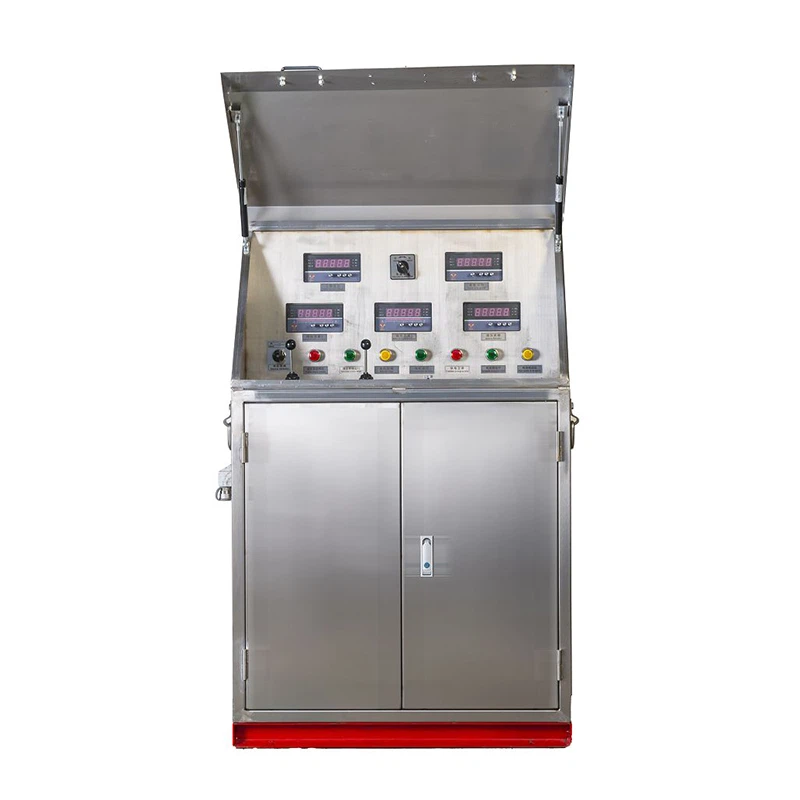
Before delving into the details of reading the indicators, it's important to have a basic understanding of what a choke manifold control panel is and what it does. A choke manifold control panel is a centralized system that allows operators to monitor and control the operation of a choke manifold. The choke manifold itself consists of a series of valves and chokes that are used to regulate the flow of fluids and gases from a wellhead. The control panel provides operators with real - time information about the pressure, flow rate, and other critical parameters of the well, allowing them to adjust the choke settings as needed.
There are different types of choke manifold control panels, including Electric Choke Manifold Control Panel, Choke Control Panel, and Hydraulic Choke Manifold Control Panel. Each type has its own set of indicators and controls, but the general principles of reading the indicators remain the same.
Key Indicators on a Choke Manifold Control Panel
Pressure Indicators
One of the most important indicators on a choke manifold control panel is the pressure gauge. Pressure gauges are used to measure the pressure of the fluid or gas at various points in the system. There are typically two types of pressure gauges: inlet pressure gauges and outlet pressure gauges. The inlet pressure gauge measures the pressure of the fluid or gas entering the choke manifold, while the outlet pressure gauge measures the pressure of the fluid or gas leaving the choke manifold.
It's crucial to monitor these pressure readings closely, as they can provide valuable information about the performance of the choke manifold and the well. For example, if the inlet pressure is too high, it could indicate a blockage in the well or a problem with the upstream equipment. On the other hand, if the outlet pressure is too low, it could mean that the choke is not regulating the flow properly.
Flow Rate Indicators
Flow rate indicators are another important set of indicators on a choke manifold control panel. These indicators measure the rate at which the fluid or gas is flowing through the choke manifold. Flow rate can be measured in various units, such as barrels per day (bpd) for oil or cubic feet per minute (cfm) for gas.
Monitoring the flow rate is essential for ensuring that the well is producing at an optimal rate. If the flow rate is too high, it could lead to excessive wear and tear on the equipment or even cause a blowout. Conversely, if the flow rate is too low, it could mean that the well is not producing efficiently.
Choke Position Indicators
Choke position indicators show the position of the choke valves in the manifold. These indicators are usually in the form of a dial or a digital display that indicates the percentage of the choke opening. By monitoring the choke position, operators can adjust the flow rate and pressure of the fluid or gas as needed.
For example, if the pressure is too high, the operator can close the choke slightly to reduce the flow rate and lower the pressure. Conversely, if the pressure is too low, the operator can open the choke to increase the flow rate and raise the pressure.
Temperature Indicators
Temperature indicators are used to measure the temperature of the fluid or gas at various points in the system. Monitoring the temperature is important because extreme temperatures can affect the performance of the equipment and the quality of the fluid or gas.
For example, if the temperature of the fluid is too high, it could cause the viscosity of the fluid to decrease, which could lead to increased wear and tear on the equipment. On the other hand, if the temperature is too low, it could cause the fluid to thicken, which could make it more difficult to pump and regulate.
Reading and Interpreting the Indicators
Now that we've covered the key indicators on a choke manifold control panel, let's discuss how to read and interpret these indicators.
Step 1: Familiarize Yourself with the Panel
Before you start reading the indicators, take some time to familiarize yourself with the layout of the control panel. Identify the location of each indicator and its corresponding unit of measurement. Make sure you understand what each indicator represents and how it relates to the overall operation of the choke manifold.
Step 2: Check the Normal Operating Range
Each indicator on the control panel has a normal operating range. This range is typically specified by the manufacturer and is based on the design and specifications of the equipment. Before you start making any adjustments, check the normal operating range for each indicator to ensure that the readings are within acceptable limits.
Step 3: Monitor the Indicators Continuously
Once you've familiarized yourself with the panel and checked the normal operating range, start monitoring the indicators continuously. Pay close attention to any changes in the readings, as these changes could indicate a problem with the system.
For example, if you notice a sudden increase in the pressure reading, it could indicate a blockage in the well or a problem with the upstream equipment. In this case, you should immediately stop the operation and investigate the cause of the problem.
Step 4: Make Adjustments as Needed
Based on the readings of the indicators, make adjustments to the choke settings as needed. Remember to make small adjustments at a time and monitor the indicators closely to ensure that the changes are having the desired effect.
For example, if the pressure is too high, close the choke slightly and monitor the pressure reading. If the pressure starts to decrease, continue to make small adjustments until the pressure is within the normal operating range.
Importance of Accurate Indicator Reading
Accurately reading the indicators on a choke manifold control panel is crucial for several reasons.

Safety
One of the primary reasons for accurate indicator reading is safety. By monitoring the pressure, flow rate, and other critical parameters, operators can prevent potential disasters such as blowouts and equipment failures. For example, if the pressure is too high and not properly regulated, it could cause the well to blow out, which could result in serious injury or even loss of life.
Efficiency
Accurate indicator reading also helps to ensure the efficiency of the operation. By adjusting the choke settings based on the readings of the indicators, operators can optimize the flow rate and pressure of the fluid or gas, which can increase the production rate and reduce the operating costs.
Equipment Protection
Monitoring the indicators can also help to protect the equipment from damage. By detecting and addressing problems early, operators can prevent excessive wear and tear on the equipment, which can extend its lifespan and reduce the need for costly repairs and replacements.
Conclusion
Reading the indicators on a choke manifold control panel is a critical skill for operators in the oil and gas industry. By understanding the key indicators, how to read and interpret them, and the importance of accurate indicator reading, operators can ensure the safety, efficiency, and reliability of their operations.
If you're in the market for a high - quality choke manifold control panel or need more information on how to operate and maintain these panels, we're here to help. Our team of experts has extensive experience in the design, manufacturing, and installation of choke manifold control panels. We can provide you with the right solution for your specific needs and offer ongoing support and training to ensure that you get the most out of your equipment. Contact us today to start a discussion about your requirements and explore how we can help you achieve your goals.
References
- Oil and Gas Production Handbook
- Choke Manifold Control Panel Manufacturer's Manuals