

Hey there! As a supplier of Hydraulic Choke Control Panels, I've seen firsthand how important it is for these panels to withstand shocks. In the oil and gas industry, where these panels are commonly used, they're often exposed to all sorts of vibrations, impacts, and jolts. So, how can we enhance the shock resistance of a Hydraulic Choke Control Panel? Let's dive in and explore some practical ways.
Understanding the Basics
Before we start talking about solutions, it's crucial to understand what causes shocks to these panels. In an oil - drilling or production environment, heavy machinery operation, sudden pressure changes in the hydraulic system, and even seismic activity in some areas can subject the control panels to shocks. These shocks can lead to loose connections, damaged components, and ultimately, system failures.
Material Selection
One of the first steps in enhancing shock resistance is choosing the right materials. The enclosure of the Hydraulic Choke Control Panel plays a vital role. We should opt for materials that are strong and have good shock - absorbing properties. For instance, high - grade steel alloys can be a great choice. They're not only durable but can also withstand significant impacts without deforming easily.
Another option is fiberglass - reinforced plastics. These materials are lightweight, which can be an advantage in some applications, and they also have excellent shock - damping characteristics. When the panel is hit by a shock, the fiberglass in the plastic helps to distribute the energy across the material, reducing the stress on individual components.
Mounting and Installation
How the Hydraulic Choke Control Panel is mounted and installed can have a huge impact on its shock resistance. We need to use proper mounting brackets and vibration - isolating pads. Mounting brackets should be made of sturdy materials and designed to securely hold the panel in place. Vibration - isolating pads, on the other hand, act as a buffer between the panel and its mounting surface.
These pads are usually made of rubber or other elastomeric materials. When a shock occurs, the pads compress and absorb the energy, preventing it from being directly transferred to the panel. It's also important to ensure that the installation is level and secure. A panel that's not properly installed can be more susceptible to shocks as it may shift or move during normal operation.
Internal Component Design
The internal components of the Hydraulic Choke Control Panel also need to be designed with shock resistance in mind. For example, circuit boards should be securely fastened within the panel. We can use shock - absorbing mounts for the circuit boards to reduce the impact of vibrations and shocks.
Connectors and cables should be properly secured as well. Loose connections can be a major problem during shocks, as they can cause intermittent electrical signals or even complete disconnections. Using strain - relief devices on cables can help to prevent them from being pulled out or damaged during shocks.
Testing and Quality Control
Once the Hydraulic Choke Control Panel is designed and assembled, it's essential to conduct thorough testing. We can use shock - testing equipment to simulate real - world shock conditions. By subjecting the panel to a series of shocks of different intensities and frequencies, we can identify any weak points in the design.
During the testing process, we can monitor the performance of the panel, including the functionality of its components and the integrity of its electrical connections. Any issues that are identified during testing should be addressed immediately. This might involve making design changes, using different materials, or improving the installation methods.
Upgrades and Maintenance
Even after the panel is in use, we can't just sit back and relax. Regular maintenance is key to ensuring its long - term shock resistance. This includes checking for loose components, inspecting the condition of the enclosure, and testing the functionality of the panel on a regular basis.
We can also consider upgrading the panel over time. As new technologies become available, we can retrofit the panel with improved shock - absorbing materials or more robust internal components. For example, if a new type of vibration - isolating pad is developed, we can replace the old ones with the new ones to enhance the panel's shock resistance.
Related Products
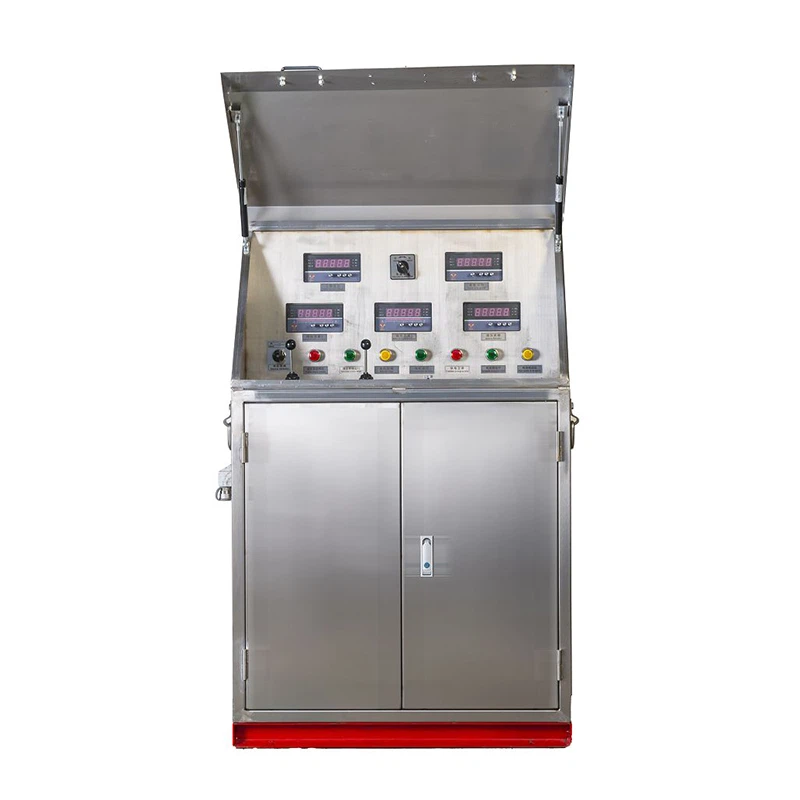
If you're interested in other types of control panels, we also offer Electric Choke Manifold Control Panel, Choke Control Panel, and Drilling Choke Manifold Control Panel. These panels are also designed to meet the high - performance requirements of the oil and gas industry.

Conclusion
Enhancing the shock resistance of a Hydraulic Choke Control Panel is a multi - faceted process. It involves everything from material selection and proper installation to thorough testing and regular maintenance. By taking these steps, we can ensure that the panels can withstand the harsh conditions of the oil and gas industry and provide reliable performance over a long period.
If you're in the market for a high - quality Hydraulic Choke Control Panel or have any questions about enhancing shock resistance, don't hesitate to reach out. We're here to help you find the best solution for your needs. Whether you're a small - scale drilling operation or a large - scale oil production company, we've got the expertise and products to meet your requirements. Let's start a conversation and see how we can work together to improve your operations.
References
- "Oil and Gas Equipment Design Handbook"
- "Materials Science for Engineers"
- Industry reports on hydraulic control panel performance